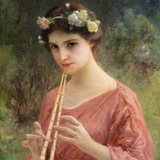
Many sources confirm the use of perfume in Antiquity. Theophrastus, a philosopher, describes age-old rituals, especially the use of incense for funerals, as well as practices for the living to take care of their bodies.
The Greeks had developed distillation techniques to create essences for their favorite scents, such as laurel, marjoram, iris, and cardamom.
Perfume manufacturing combined a ground aromatic essence that was soaked in water or wine along with a plant-based oil. These materials were combined either by soaking them at ambient temperature or by heating them in a boiler.
During the 7th and 6th centuries, Corinth exported a lot of small, globular vases called aryballos across the Mediterranean. In the classical era, certain perfume vases were called millefiori and were widely distributed by the Greeks, starting in the 5th century BCE. The luxury of these containers, which were at times even made out of rock crystal or precious metals, corresponded to the refinement of their perfumed contents
The Greeks had developed distillation techniques to create essences for their favorite scents, such as laurel, marjoram, iris, and cardamom.
Perfume manufacturing combined a ground aromatic essence that was soaked in water or wine along with a plant-based oil. These materials were combined either by soaking them at ambient temperature or by heating them in a boiler.
During the 7th and 6th centuries, Corinth exported a lot of small, globular vases called aryballos across the Mediterranean. In the classical era, certain perfume vases were called millefiori and were widely distributed by the Greeks, starting in the 5th century BCE. The luxury of these containers, which were at times even made out of rock crystal or precious metals, corresponded to the refinement of their perfumed contents
❤1
The massacre of Chios
During the year 1822, European capitals were inundated with reports about a massacre of the Christian population of Chios. The island, had become one of the many scenes of history's most tragic and comprehensive acts of genocide. Starting in March 1821, an armed uprising against the rule of the Sultan emerged in different places in Greece. In the reconquest of Chios in April 1822, Ottoman troops operated with extreme brutality. They pillaged and plundered the Greek settlements, hanging, butchering, starving or torturing to death an estimated 90,000 residents and abducting more 50,000 to the slave markets of the Ottoman Empire. Around 25,000 people were exiled and untold thousands more were raped. Only 2,000 inhabitants managed to survive, hiding in caves for days or leaving the island by sea. The island was left all burnt
The massacre shocked Europe and spread many protests. Famous artists dedicated works to this grief and organizations collected money to support the Greek Revolution
During the year 1822, European capitals were inundated with reports about a massacre of the Christian population of Chios. The island, had become one of the many scenes of history's most tragic and comprehensive acts of genocide. Starting in March 1821, an armed uprising against the rule of the Sultan emerged in different places in Greece. In the reconquest of Chios in April 1822, Ottoman troops operated with extreme brutality. They pillaged and plundered the Greek settlements, hanging, butchering, starving or torturing to death an estimated 90,000 residents and abducting more 50,000 to the slave markets of the Ottoman Empire. Around 25,000 people were exiled and untold thousands more were raped. Only 2,000 inhabitants managed to survive, hiding in caves for days or leaving the island by sea. The island was left all burnt
The massacre shocked Europe and spread many protests. Famous artists dedicated works to this grief and organizations collected money to support the Greek Revolution